







-
Hybrid Stepper Motors

-
PM Stepper Motors

-
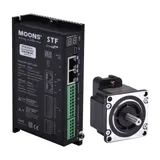
Stepper Drives
-
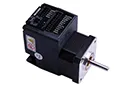
Integrated Stepper Motors
-
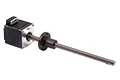
Linear Stepper Motors
-
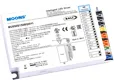
LED Drivers
-
Motion Accessories

-
Slotless Brushless DC Motors
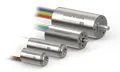
-
Coreless Brushed DC Motors
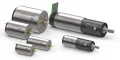
-
Step-Servo Drives & Motors
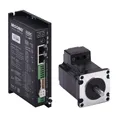
-
Integrated Step-Servo Motors
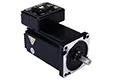
-
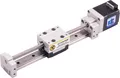
Linear Slides
-
Intelligent Lighting Control

-
HazLoc Step
Motor & Drive
-
Brushless DC Motors

-
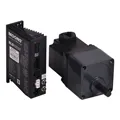
Brushless DC Drives & Motors
-
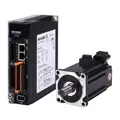
Servo Drives & Motors
-
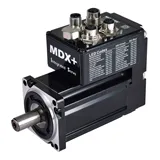
Integrated Servo Motors
-
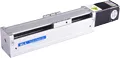
Linear Actuators
-
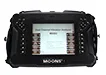
Condition Monitoring
-
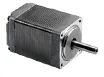
Vacuum Rated Stepper Motors
-
Stepper Motor Automatic Production Line

News & Events

-
【NEW】 Guangzhou International Lighting Exhibition PreviewEvents
-
【NEW】 The 36th International Component Manufacturing & Design ShowEvents
-
MOONS' SLOTLESS/CORELESS DC MOTOR PRODUCT LINE IS NOW ISO 13485 CERTIFIEDNews
-
Congratulations on the Successful Launch and Operation of MOONS' Vietnam PlantNews
-
The Management of Panasonic Industry Visited MOONS' TaicangNews